 The Wallet Shoppe
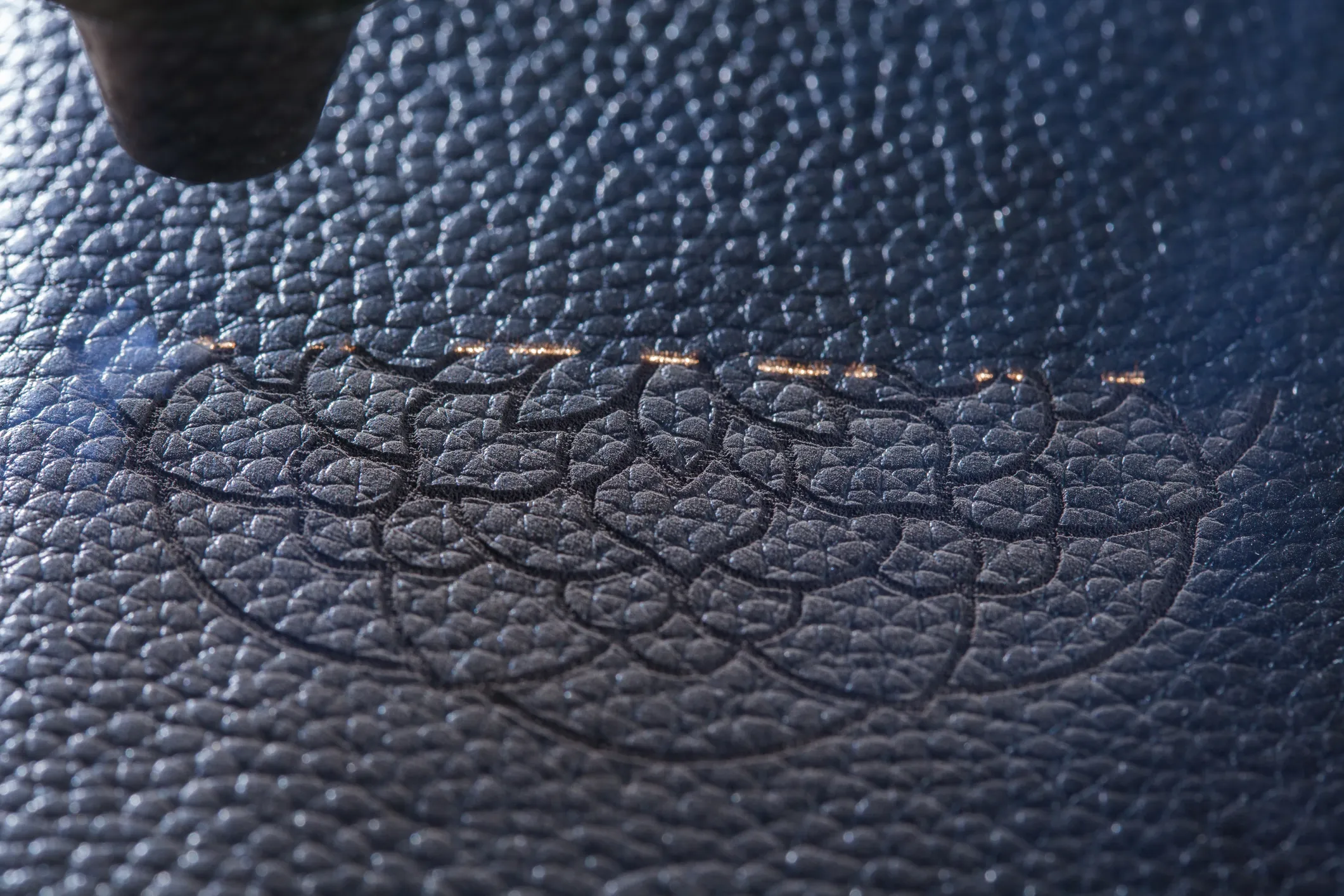
Can wallets be engraved, you ask? The short answer is yes. Truthfully, almost anything can be engraved if you have the know-how and the right tools. Whether engraving a wallet is something you can tackle yourself is another story, so read on to see what your options are.
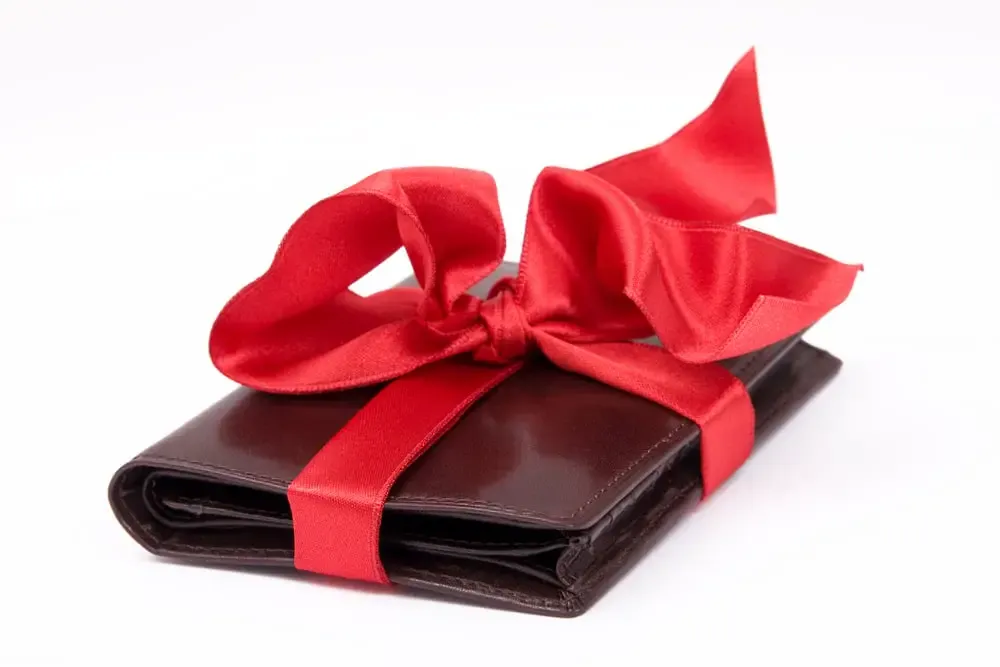
Engraving has always been a way to show that special someone how much they mean to you. When giving a gift, it’s nice to mark it with initials, a verse or a special date (an anniversary, a birthday).
Can You Engrave a Wallet?
People often get watches or wedding rings engraved, because they’re things you wear or use every day… and they’re meant to last a lifetime.
Well, why not a wallet? Wallets are made to last longer and longer, and they make great gifts. And they aren’t just leather anymore. We’ve seen wallets made from titanium, aluminum, steel, wood, cork, plastic, canvas, Kevlar and Tyvek, plus elastic bands on some designs.
Not all of those will take an engraving. Metal and wood are good candidates; canvas, elastic and Tyvek are going to have a much tougher time. So let’s look at the different methods, because you’d approach a leather wallet very differently from a metal one.
For a gift, the easiest option is often the maker’s own personalization service. If you already own the wallet, ask an engraver to look at it before anyone puts a tool on it.
1. Diamond-Drag (“Scratch”) Engraving
This might not be the official name, but “scratch engraving” describes it perfectly. It’s not as simple as taking a knife to the gift you spent days picking out, though! A cone-shaped, diamond-tipped bit is dragged across the surface, usually by an engraving machine applying just the right pressure, without spinning. Gravotech’s cutter guide explains how it differs from rotary cutting.
- Pros: relatively inexpensive to have done, fast, and great on metal.
- Cons: not for leather or soft plastics, and the fine tip suits simple lettering better than bold designs.
Ask to see an example on the same material and finish. A sample on a flat metal tag won’t necessarily show how a coated, curved wallet will look.
2. Rotary Engraving
This is the most permanent kind. It’s similar to the method above, but the bit spins at high speed and actually cuts material away, so the design depends on the size and shape of the bit. A handheld rotary tool is within reach of a confident DIYer.
We’ll say this: having looked at a TON of engraving tools online, you get what you pay for. If a tool seems too cheap to be good, it probably is, especially if you’re not very experienced. Look for a quality manufacturer, a warranty and a good range of bits.
- Pros: lots of flexibility in lettering size, shape and design.
- Cons: more expensive than paying someone to do one wallet, and it takes practice. Try it on scrap of the same material first, and watch out for curved panels, thin shells and nearby fasteners.
3. Laser Engraving
Laser engraving is another great option, and lasers are cool! There are now “mini” tabletop machines that are pretty neat to have if you’re a crafty, DIY type. The same rule applies, though: the cheap knockoffs don’t work well.
The big catch is that not every material is safe to laser. Trotec’s material guidance rules out PVC, and leather or artificial leather containing chromium(VI). You can’t tell that by looking at a wallet, so check what it’s made of (and what the machine maker approves) first, or leave it to a professional. Follow the machine’s ventilation and safety instructions, too.
- Pros: very detailed results on compatible materials.
- Cons: a bigger upfront investment, and some materials are off-limits.
4. Leather Stamping
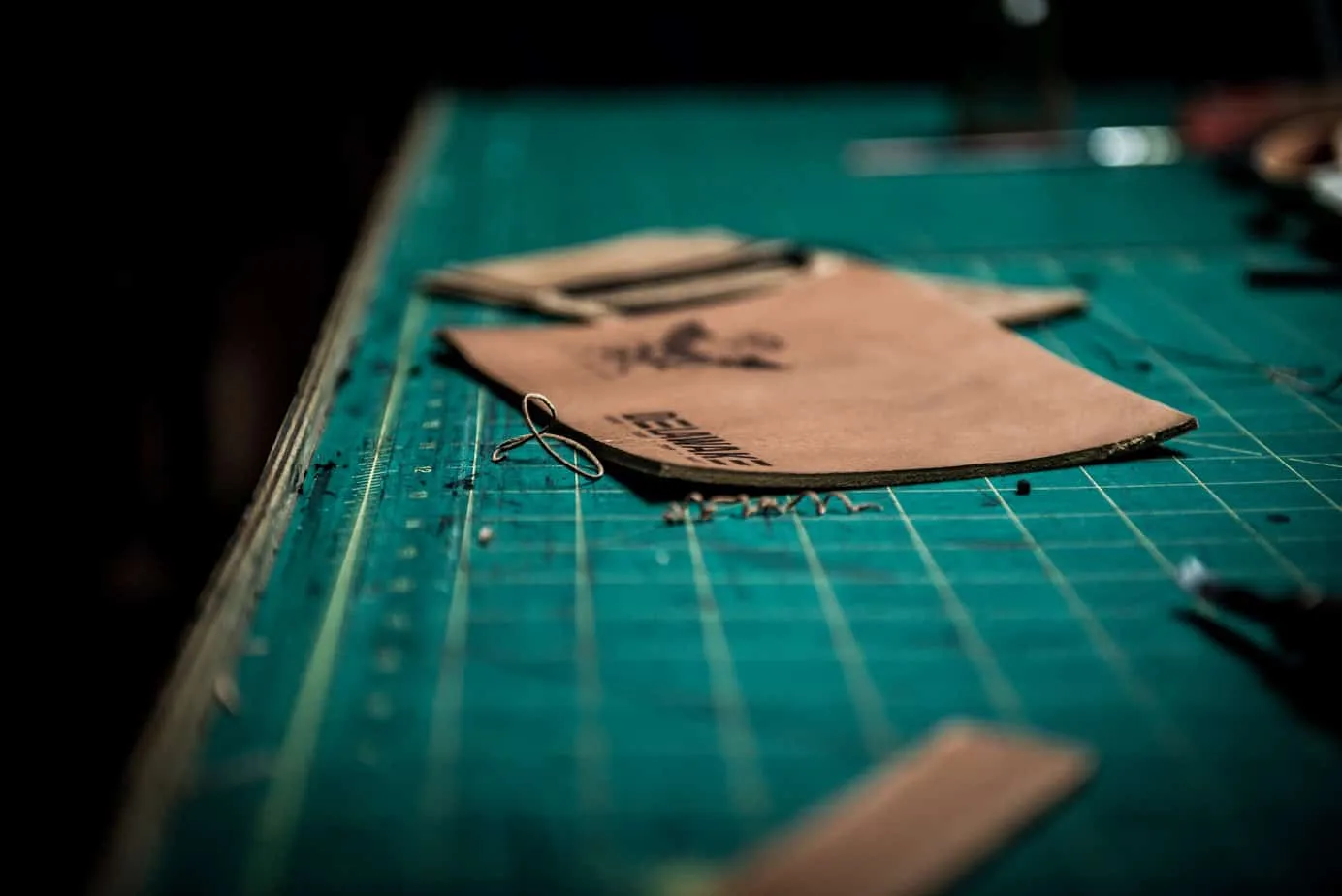
We wanted to include leather stamping, because it’s a great option for leather wallets. Strictly speaking it isn’t engraving: the letters are pressed into the leather (debossing), sometimes with a colored or metallic foil. There are a few ways to do it:
- With a manual press
- With a hammer and letter stamps
- With heat, pressing and burning the letter into the leather
The hammer and heat methods are the cheaper DIY options. A press is easier to use, but it’s more of an investment.
Admittedly, with letter stamps you’re limited to fairly simple letters and numbers, in whatever font the stamps come in. If you want something really ornate, go with one of the engraving methods. A finished wallet also needs support under the spot you’re stamping, without crushing the lining or a card pocket, so ask the maker where personalization can go.
Can Wallets Be Engraved - Round Up
We hope this guide has helped answer the question, “Can wallets be engraved?”
One word on leather: stamping and engraving work best on good, solid leather, like full grain or top grain. Try it on cheap bonded leather and you’ll probably just ruin it. Our write-up of the different grades of leather is a good resource here.
Before you approve the work, confirm the exact spelling, capitalization, font and position (ask for a proof if it’s more than initials). Personalized items usually can’t be returned, so check that first. And keep the design away from stitching, hinges and clips: a small, crisp mark beats a big design that weakens the wallet.