 The Wallet Shoppe
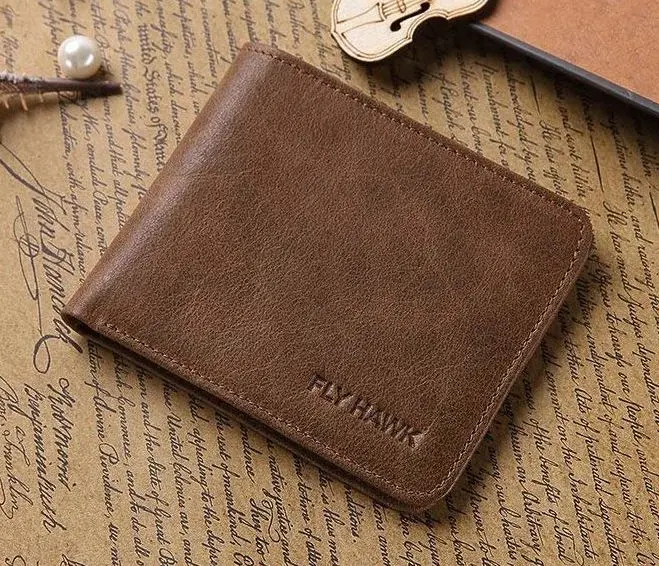
Budget leather bifolds all make the same promise: real leather, RFID blocking, a fraction of what a premium brand charges. The promise is mostly true, but “genuine leather” at this price point comes with real tradeoffs worth knowing before you buy.
Size and Layout
Wallets in this category run small-to-medium — a classic bifold layout with a flip-up ID window, card slots on both interior faces, and a billfold pocket. Expect a genuinely slim profile once folded, since the leather used at this price point tends to be thinner than premium full-grain, which actually helps it fold flat rather than bulking up.
Materials: What “Genuine Leather” Actually Means
This is where budget wallets show their price. Leather grades run roughly:
- Full-grain leather — highest quality, ages into a patina, lasts decades if cared for
- Top-grain leather — great quality, sanded and finished, still durable
- Genuine leather — the layer left after the top grain is split off; usable and real leather, but noticeably less durable
- Bonded leather — scraps and fiber bonded with adhesive; avoid
Budget wallets almost always use genuine leather, which is exactly what it sounds like — real cowhide, just not the top layer. It feels fine out of the box and softens further with use, but it won’t hold up to daily carry the way full-grain does. Realistically, expect two to three years of regular use before it starts showing real wear, not the decade-plus you’d get from a premium wallet. For a full breakdown of the grades, see our leather quality guide.
Durability
The two things that kill any wallet fastest — back-pocket carry and overstuffing — apply doubly to genuine leather. Sitting on a wallet all day flexes the leather and stresses the stitching far more than front-pocket carry does, and cramming in more cards than the pockets are cut for stretches the leather in a direction it won’t recover from.
Stitching on budget bifolds is usually the first thing to fail if it’s going to fail at all — check reviews for complaints about loose or fraying stitching on the specific listing before buying, since quality control varies more at this price point than it does with premium brands.
Functionality
New leather at this price point is often stiff enough that card slots feel tight for the first couple of weeks. That’s normal — the leather hasn’t broken in yet, and pockets sized for one card will feel snug even with a single card until the material relaxes. Don’t force two cards into a single-card slot before it’s broken in; you’ll stretch it unevenly and it won’t hold either card securely afterward.
Cash capacity is typically limited to a fold or two before the wallet gets noticeably thicker. If you regularly carry ten or more bills, a budget bifold isn’t the right shape — see our guide on slimming down your wallet for what to actually carry day to day.
Who a Budget Leather Wallet Is For
Someone who wants real leather and a classic bifold shape without premium pricing, and who’s fine replacing it in a few years rather than expecting it to last a lifetime. If you want the same low price point with a different design approach, our Zitahli wallet review covers another affordable option. If you’d rather spend more up front for something that lasts, our best minimalist wallets list covers the premium end of the same category.