
 The Wallet Shoppe
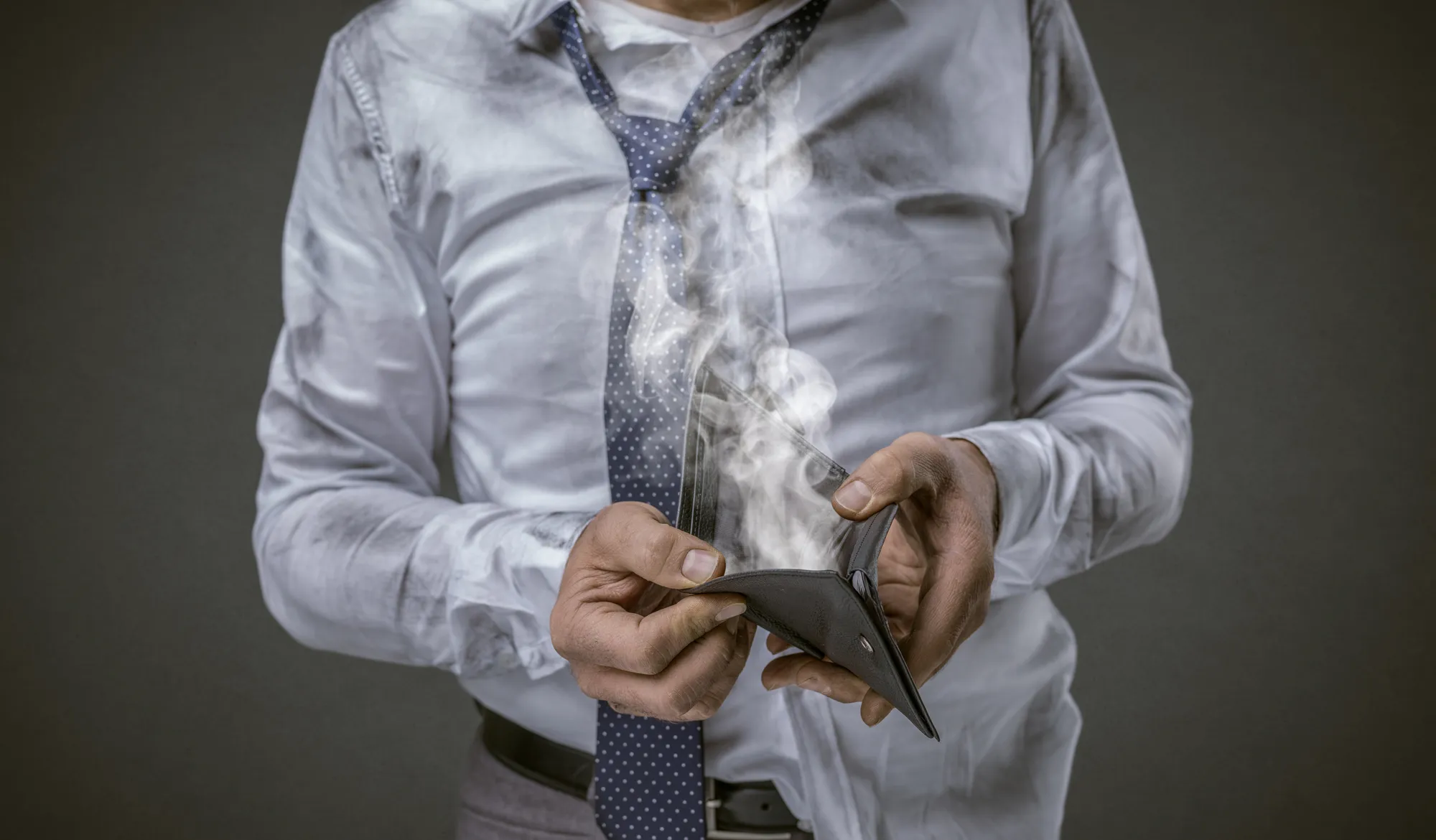
Whether you’re looking to protect and preserve your wallet, or need an emergency clean to restore it to its former glory, read on for our guide on how to clean a leather wallet!
How Do You Make a Leather Wallet Look New?
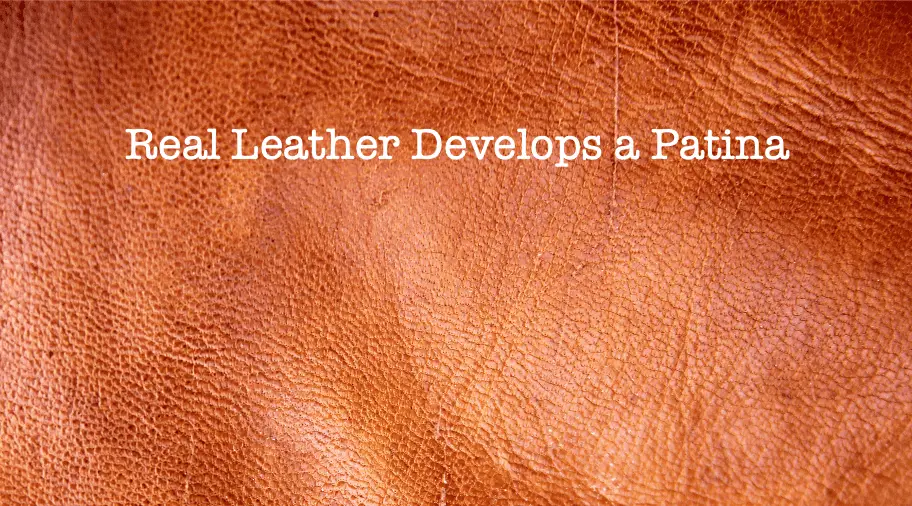
Woah, hold on there. That’s the wrong way to look at this. The most awesome thing about a good leather wallet is that it looks better as it gets older and develops a patina. Regular use keeps the leather soft and supple, and lets the natural grain and colors come through.
But leather doesn’t reach that higher plateau of awesomeness all by itself. You have to nurture that rich look with a little regular care.
How To Clean a Leather Wallet
Step One: Get the Debris Out
Empty the wallet completely, turn it over, shake it, and gently brush or blow the loose debris out of the crevices before you start on the leather itself.
Why? If you don’t, you can make things worse by rubbing grit into the leather. Depending on what that odd fluff is made of … it could even leave a stain.
Once you’re down to an empty wallet with nothing at all in it, you’re ready to clean the leather.
Using a Cleaning Product
First, check what kind of leather you’ve got. Smooth leather, suede and coated finishes all need different treatment, and your wallet maker’s care instructions trump anything we say here. Bellroy, for example, suggests a dry cloth for dust and dirt before reaching for a leather cleaner.
For most smooth leather, saddle soap or a gentle leather cleaner is the way to go. (Not on suede or nubuck, though: Otter Wax warns that saddle soap can flatten or darken the nap.)
Put a little cleaner on a very clean, lint-free cloth, and test it first somewhere out of sight with the same finish as the part you want to clean. Let the test patch dry and check the color hasn’t changed.
Then wipe gently. Don’t start out scrubbing or rubbing hard at the leather; wipe in smooth motions and see where you are. You can add a little more pressure if you’re not getting anywhere, but a good cleaner shifts a lot without any potentially damaging elbow grease. And never use household cleaners.
How to Clean a Leather Wallet Without Leather Cleaner
If you don’t have any cleaner to hand, a cloth dampened with plain water will wipe off dirt and spills on most smooth leather. Don’t use strong soaps or cleansers, as chemicals can be tougher to get out of leather than dirt.
In extreme cases, a mild soap used sparingly is the most we’d recommend. For an ink or oil stain on a valuable wallet, ask the maker or a leather specialist before you try anything.
Once the Wallet Is Wet
If your wallet gets soaked, blot off the excess water and let it dry at room temperature.
Do not use a hairdryer, hang it over a heater, or toss it next to a campfire. Too much heat changes leather, and your expensive wallet will end up looking like a fat, old piece of beef jerky.
Remember: keep your Slim Wallets slim by keeping your Cool Wallets cool.
A wallet that dries lopsided will stay that way, so gently work it back into its original shape as it dries. We like to put one card on either side of the wallet to help it hold its shape.
DO NOT put everything back in your wallet, or even a single card in EVERY card pocket. One card on each side is just a little guide while it dries. Hold off on conditioner until it’s dry, too.
On the other hand, if your wallet has stretched out from use and you actually want to shrink it, we wrote a whole guide on that.
How To Prevent a Leather Wallet From Cracking
Stopping leather from drying out and cracking starts with realizing that, as a natural product, it needs a little care and thought.
To start with, don’t leave your wallet in direct sunlight for long. Store it somewhere cool (room temperature is fine) that gets some air.
Don’t wrap a leather wallet (or any nice piece of leather, for that matter) in plastic. Leather needs to breathe, and a damp wallet sealed in plastic can grow mildew.
If your wallet does get too dry, rub in a light leather conditioner, as long as it suits your wallet’s finish. Choose a natural, colorless product, and test it somewhere out of sight first.
When using any type of conditioner, less is more. Seriously, a small teardrop of conditioner can do your entire wallet. Too much can leave a residue or darken the color.
For best results, use your wallet every day. Guess what conditions your wallet as well as anything? YOU! The oils on your hands work their way into the leather and help it develop a fine, rich patina. That said, keep it away from makeup, food and other oily stuff.
A Few More Tips For Basic Leather Wallet Care
Don’t Overfill Your Wallet
Good care starts the first time you use your wallet. Leather needs a break-in period to loosen up the card slots and center pockets.
Keep in mind that leather stretches out but never back in, so don’t cram all your cash and every card you own in at once. Carry just enough cash to flash and leave the rest of your stash at home.
Most wallets end up working best with one or two cards in each pocket, but START SLOW… don’t try to cram everything from your old wallet into your new one.
You really don’t need ALL of those cards and random bits of paper. Your wallet and your pocket will thank you!
Can You Wash a Leather Wallet in a Washing Machine?
Leather wallets are not machine washable! If you do accidentally wash your wallet (which we’ve all done - once), DO NOT PUT IT IN THE DRYER.
Take everything out, blot it, and let it dry slowly at room temperature, reshaping it as above. What usually finishes a wallet off is drying it fast. We’ve seen plenty survive a trip through the wash, though there are no guarantees.
Start With Good Leather
Let’s get this out of the way. Above all else, buy good leather in the first place! Bonded leather just won’t do.
You can do everything we mention above, but if the leather isn’t quality from the start, it won’t matter much. We prefer full-grain or top-grain leather. Our guide to leather labels explains what those terms actually mean (and why “genuine leather” doesn’t tell you as much as you’d think).
Remember, prevention is better than cure. Choose good leather, look after it (as you would a leather jacket or a pair of leather boots), and don’t stretch it out, and a leather wallet should last years, if not decades.


