 The Wallet Shoppe
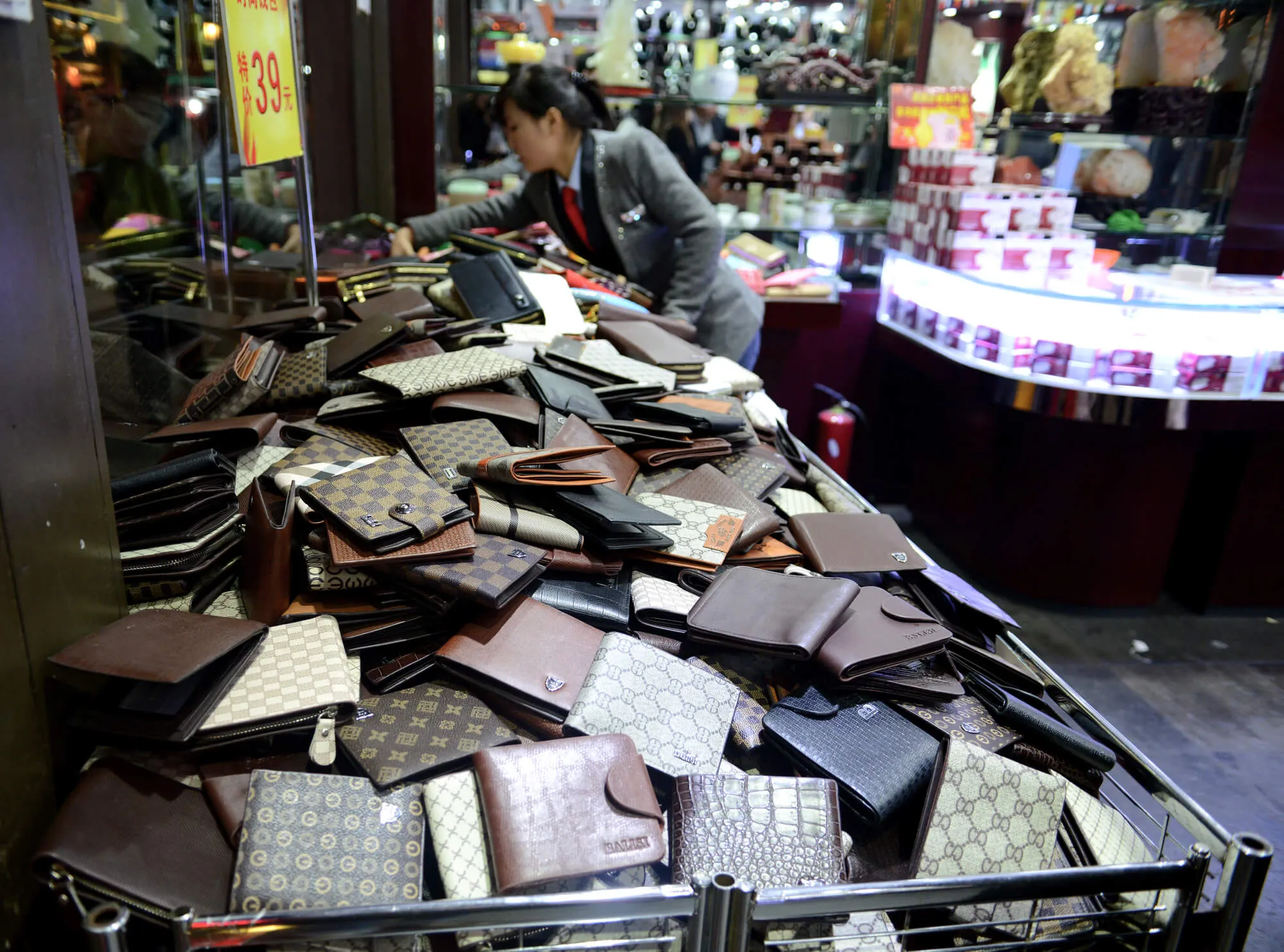
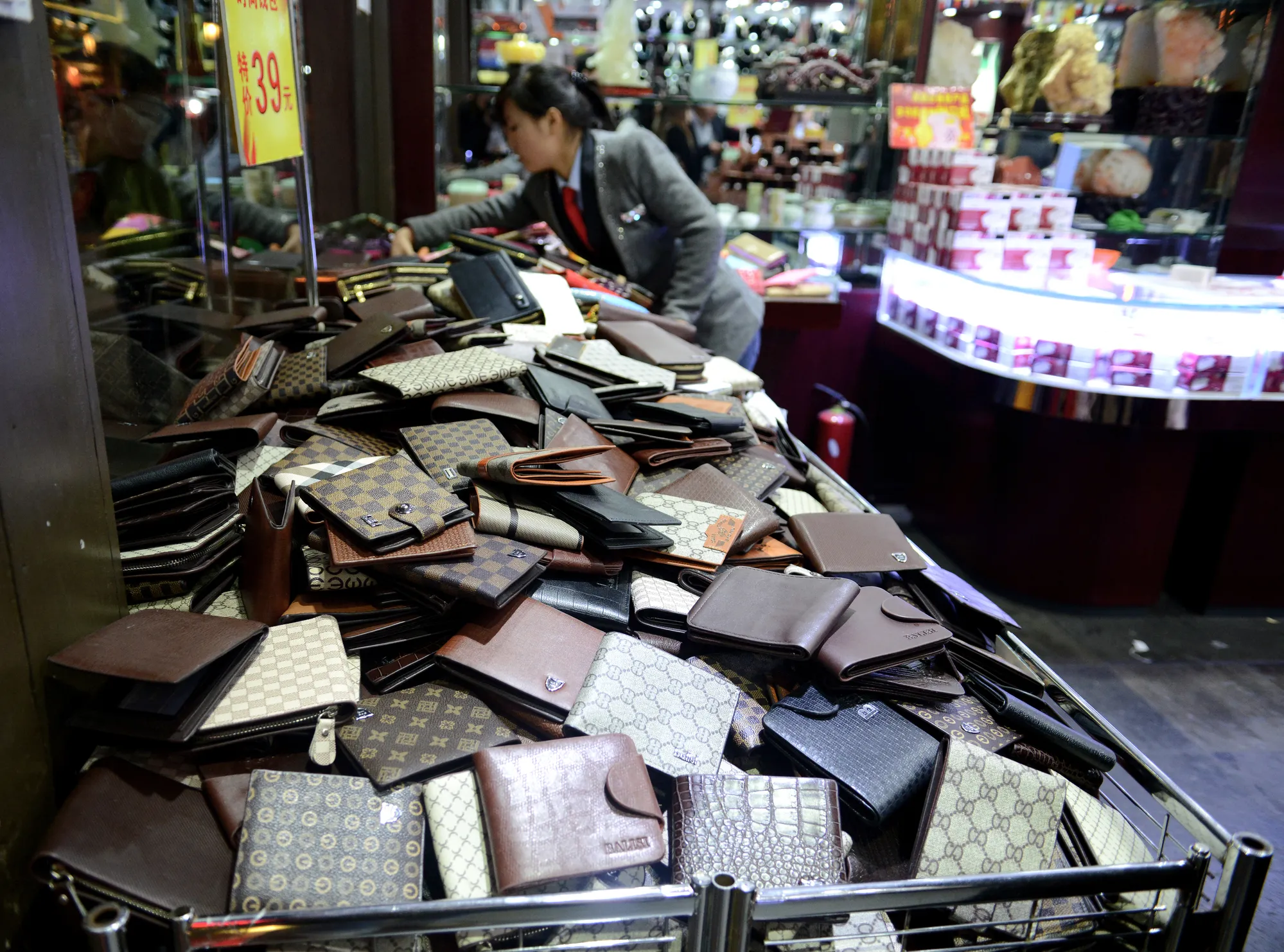
Have you ever found yourself wondering if that great deal was too great? Could you spot a fake Gucci wallet or bag?
We know you work hard for your money. We also know that what you carry is important to you – you wouldn’t be here if it wasn’t. So let’s look at how to make sure the Gucci wallet you’ve got your eye on is the real deal.
Fair warning: there’s no single trick that settles it. Fakes have got good, and genuine Gucci designs vary a lot from year to year. What works is checking several things at once.
Gucci Takes Counterfeits Seriously
First and foremost, know this… counterfeiting is big business. A 2020 report published by the USPTO called it “the largest criminal enterprise in the world”, with sales of counterfeit and pirated goods totaling between an estimated $1.7 trillion and $4.5 trillion a year. That’s money going to some pretty bad places.
Like most luxury brands, Gucci (and its French parent company, Kering) spends a lot of time and effort chasing counterfeiters. Gucci’s official FAQ covers authenticity questions and how to report a fake.
Now, let’s look at what you can do as the buyer.
1. Where Did It Come From?
For a new wallet, buy from Gucci or a retailer you know is authorized. That one step takes care of most of the risk.
Secondhand is where it gets tricky. Somebody might have bought a Gucci wallet, not liked it, and listed it on eBay. Honestly, that’s fine, and we’ve seen a lot of folks completely happy with their eBay or Craigslist purchase. But we’ve also seen a lot get burned.
Ask the seller where and when they bought it, and whether they still have the receipt. Boxes, dust bags and paperwork can be copied (or come from a different item), so treat them as supporting evidence. Check the seller’s history and return terms, and never pay outside the platform because someone offers you a better deal.
2. Is the Price Too Good to Be True?
Early warning signs of a counterfeit are a heavily under-priced wallet, or a strangely overpriced one with a sob story attached. Have a quick look at what the same model sells for on Gucci’s site or from reputable resellers. A huge discount on a current model should set alarm bells ringing.
3. The Logo and the Design
The most obvious feature to check is the logo. Many counterfeits get the interlocking G’s slightly wrong, use C’s, or set the GUCCI lettering in the wrong font (we’ve seen a bit of everything). Compare the spacing, placement and lettering with Gucci’s own photos of the exact model.
Not every genuine wallet carries the double-G, though, and the stamps and markings have changed over the years, so compare against the right model and era.
Sidebar – why does the Gucci logo have two G’s? The interlocking GG is usually credited to Aldo Gucci, as a tribute to his father, Guccio Gucci, who founded the company. It’s a nice touch.
Gucci’s animal motifs are worth a look too. The bee, the snake and the tiger turn up across the collections. They vary quite a bit, so the style alone won’t prove much, but a sloppy or out-of-place animal is a big giveaway.
Then there’s the color. Ask yourself: “Was this color actually offered for this particular product?” Sometimes it wasn’t. Older colorways disappear from Gucci’s site, so check reliable references for the right year too.
4. Materials, Stitching and Hardware
Feel it, and look closely. Bad stitching is a red flag: wandering lines, loose ends or fraying threads. We’ve seen some beautiful knockoffs with HORRIBLE stitching. Neat stitching on its own proves nothing, though, because good fakes have that too.
The same goes for the lining, the edge finishing and the hardware. Check for anything that looks cheap, plasticky or out of place for the model, and ask about repairs or replaced parts on a used wallet.
Skip the old internet shortcuts. Genuine Gucci zippers aren’t always made by one particular brand, real leather isn’t always buttery soft, and a “glue test” can fail a genuine wallet. Weight and smell don’t tell you much either.
5. The Serial Number and an Image Check
It would be nice if you could check a Gucci wallet’s authenticity from its serial number, but it’s not that easy. Gucci has changed its numbering many times, and counterfeiters copy real numbers.
One trick still helps: search the style number and check the image results. You should see the same model come up from legitimate sources. If you’re buying on eBay or another auction site, ask the seller for a clear photo of the number before you spend anything. Of course, that isn’t a 100% guarantee, as fake numbers get published too.
6. The NFC Tag (on Newer Items)
Gucci has added an NFC Authenticity Tag to selected items from newer collections, which you scan with the Gucci app. Older wallets don’t have one, so a missing tag isn’t proof of a fake.
For an expensive secondhand purchase, an independent authenticator who knows the model can be worth paying for. And if you’re still not sure, walk away. There will be other wallets.
If You’ve Bought a Fake
If you’ve fallen victim to a counterfeit, you’ve got a couple of options.
First, go back to the seller, explain the situation, and ask for a refund. This might sound like a long shot, but if you bought it from someone who genuinely didn’t realize it was a fake, you may be able to come to an agreement. If you bought through a marketplace, use its return and dispute process within its deadlines, and keep the listing, payment record, messages and photos of what arrived. Don’t repair or alter the wallet while the dispute is open.
Of course, if you picked it up from a street vendor, that’s not very likely…
Second, you can report it to Gucci through the channels in its official FAQ.
Before You Go…
If you’re still deciding whether to spend that much on a wallet at all, our expensive-wallet guide looks at what you’re actually paying for.
Shopping for Coach instead? Our Coach authenticity guide covers that brand’s tells.