 The Wallet Shoppe
A good leather bag gets better with age — but only if you treat it right. The type of leather your bag is made from actually changes how you should care for it, and the breakdown by type is below.
Caring for Leather Bags and Backpacks
Cleaning to conditioning, proper storage to protection - we’ve got you covered! Many of the same principles apply to smaller leather goods too — see our guide on how to clean a leather wallet for wallet-specific tips.
Cleaning
Start with a damp cloth to wipe down the surface, but don’t soak it — leather is permeable and will absorb water deep into the material.
Skip the harsh chemicals and abrasive materials. These strip the leather’s natural oils and cause cracking or discoloration.
For tough stains like ink or oil, use a leather cleaner formulated for your specific leather type. Always test it on a small, hidden area first. Follow the label, and don’t over-apply.
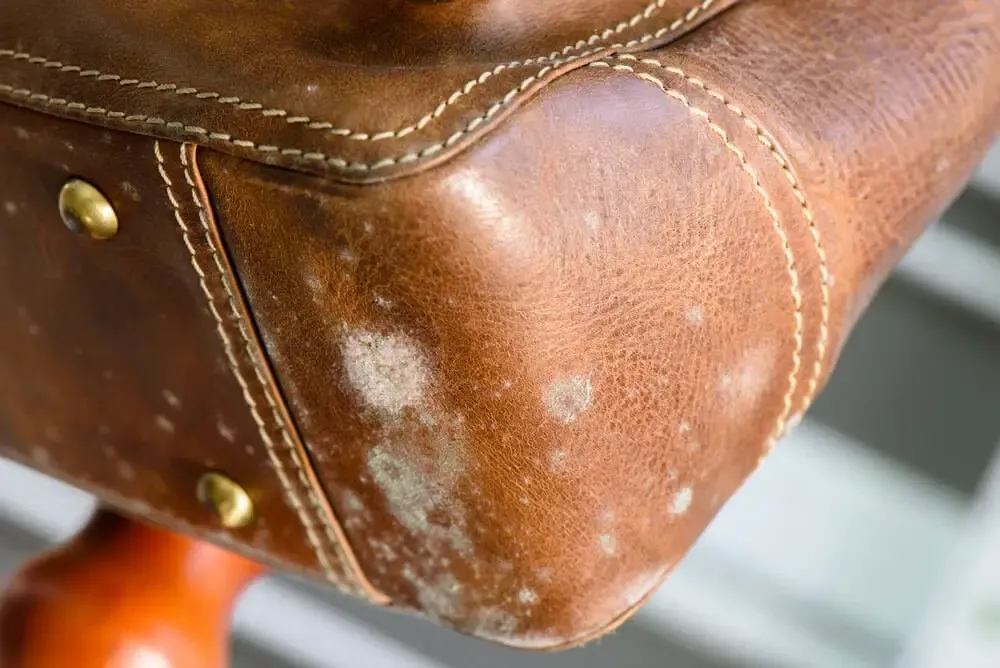
Use a soft cloth or sponge to apply the cleaner, then wipe dry with a clean, dry cloth. Keep the bag out of direct sunlight or heat while it dries, and make sure it’s fully dry before storing — otherwise you’re inviting mold.
A quick wipe-down every few months goes a long way.
Conditioning
Leather is a natural material that can dry out over time, which can cause cracking and damage.
Conditioning leather is essential to keep it supple and prevent cracking.
Leather conditioners work by moisturizing the leather, which helps to keep it soft and pliable.
Conditioning also helps to protect the leather from the elements and UV rays, which can cause fading over time.
Conditioners come in oils, creams, and sprays — each works differently. Oil-based conditioners are great for reviving old, dried-out leather. Cream conditioners are better for maintaining newer leather. Pick one that matches your leather type.
Clean the leather first to remove dirt and dust. Then apply a thin, even layer with a soft cloth, let it absorb for a few minutes, and wipe off the excess. Keep it out of direct sunlight while the conditioner soaks in. Repeat every few months.
We’re big fans of Chamberlain’s Leather Milk - strongly recommend you check them out
Protection
Heat, direct sunlight, and moisture are leather’s three enemies. Extended exposure dries it out, cracks it, fades the color, or — in the case of moisture — invites staining and mold.
One way to protect your leather bags and backpacks is by using a water and stain repellent spray. These sprays work by creating a barrier on the surface of the leather. This barrier repels water and other liquids, making them more resistant to stains.
You know the drill by now — test the spray on a hidden spot first, and follow the label instructions.
Storage
When you’re not using your bag, store it in a cool, dry place away from sunlight and heat.
To keep the shape of the bag, we recommend stuffing the bag with paper or a fabric bag filler. This will help to maintain the shape of the bag and prevent it from becoming misshapen while in storage.
Also, don’t overload it. Straps and zippers wear out faster under excess weight.
You should also use a breathable dust cover to protect the leather from dust and other debris.
Different Types of Leather
Not all leather is created equal, and each type has its own care needs.
Full-grain leather is the most durable type of leather. It requires minimal care. Simply clean it with a damp cloth and use a leather conditioner as needed.
Top-grain leather is also durable but may require more frequent conditioning. As with full-grain, clean with a damp cloth and use a leather conditioner to maintain its suppleness.
Nubuck is a type of top-grain leather that has been sanded to create a velvet-like surface. It’s more delicate than other types of leather and requires special care.
Protect it with a waterproof spray before use and avoid getting it wet. Clean it with a soft brush or a damp cloth and use a nubuck cleaner.
Genuine leather refers to any type of leather that is not bonded leather. It can come from a variety of sources and can have different characteristics depending on the source and tanning process. Typically though, the quality is lower than top or full-grain.
Bonded leather is made from shredded leather fibers that are bonded together with a polyurethane or latex binder.
It’s not as durable as other types of leather and may require more frequent cleaning and conditioning. Clean it with a damp cloth and use a leather conditioner as needed.
Think weeks rather than months between cleanings.
One more time for the people in the back: check the care instructions for your specific leather before you start cleaning or conditioning.
Always, always, always test any cleaner or conditioner on a small, inconspicuous area of the leather before using it on the entire bag.
Before You Go…
If your bag is a high-end piece, it’s worth pairing it with a high-end cleaner and conditioner rather than whatever’s cheapest on the shelf. Want to go deeper on which leather you’re actually dealing with?