
 The Wallet Shoppe

What are backpacks (and laptop bags) made of anyway? In this post we’ll run through pretty much all the materials they can be made from, to help make sure you pick the right one for your next bag.
There are a few things to consider. First, you need a bag that does the job it’s supposed to do, and there are many different types! If it’s a bookbag for grad school or for taking your laptop to and from work, style and pockets might be the key things. If it’s for hiking and camping, the material matters a lot more.
So, if you’re wondering what backpacks are made of, let’s get started!
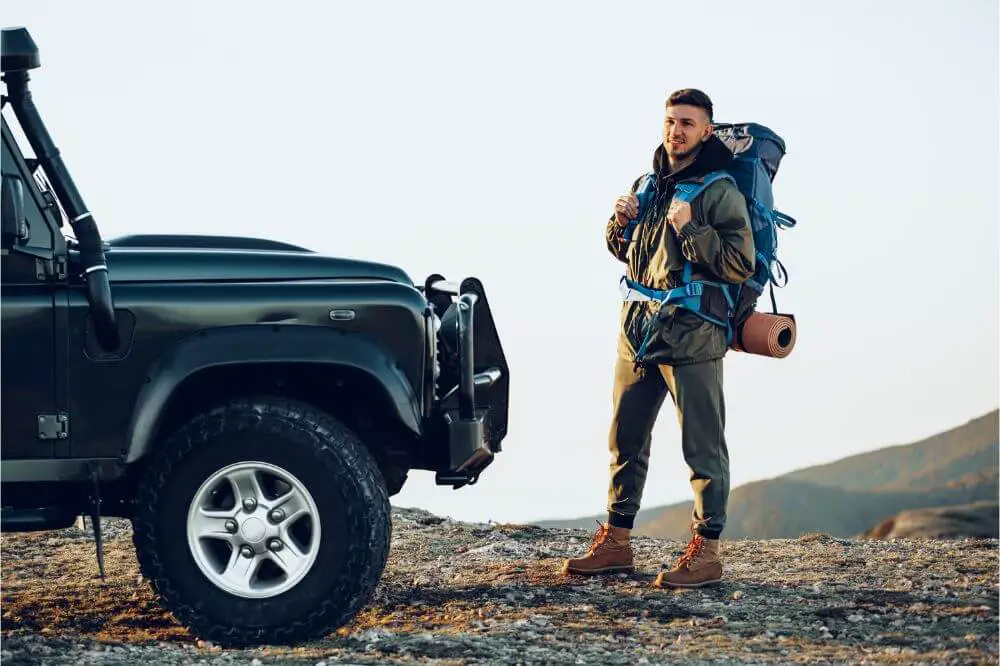
Backpack Materials
| Material | Why you might choose it | What to check |
|---|---|---|
| Nylon | Strong and abrasion-resistant, from light hiking packs to heavy travel bags | The fabric spec, coating, and reinforcement at wear points |
| Polyester | Cheaper, easy to dye, and dries quickly | How the back panel is built (see below) |
| Canvas | A classic woven look for work and everyday bags | Weight, and whether it’s waxed or coated |
| Leather | Looks great and ages with character | Empty weight, finish and care |
Nylon
One of the most popular backpack materials is nylon, a synthetic fiber (a polyamide, if you want to get technical). Why is it so popular? Strength, durability and abrasion resistance. It’s light, too, which matters when you’re carrying a bag all day.
The downside? Nylon is harder to dye, so color choices can be limited. One brand turned that into a feature: Tumi’s black-on-black ballistic nylon bags are instantly recognizable. (I’ve had an older Tumi laptop bag for years and it’s lasted really well. I also have a newer blue one. No, I’m not an addict, honest.)
Polyester
Polyester is a fabric many wish would go away forever, at least when it comes to clothing (try googling “1970s polyester clothing” to see what I mean). But for backpacks, it’s one of the most popular fabrics around. It’s durable, wear-resistant, usually cheaper than nylon, easy to dye and print, and dries pretty quickly.
But … there’s a reason polyester got such a bad reputation as a clothing material. It just doesn’t “breathe” like natural fibers, and you can end up sweating - badly.
That isn’t necessarily a showstopper for a backpack. The key is how the part that actually touches your back is built. A mesh back panel or air channels help a lot. A flat slab of fabric against your shirt? Beware!
Canvas
Canvas is a time-tested material. Before ballistic nylon and the other synthetics came along, canvas (a tough woven fabric, traditionally cotton) was the go-to for military packs and outdoor gear. These days it’s popular for school, work and everyday bags, and brands like Fjällräven and Herschel use it for a more stylish look.
It’s easy to dye, it can be very durable, and it’s usually reasonably priced. It’s on the heavier side, though, and it can break down if it gets wet and isn’t dried properly (mildew is no friend of cotton). Waxed canvas needs its own care, too.
Leather
Leather doesn’t have a denier rating, because it’s a hide, not a woven fabric. But consider this: even today, with high-tech synthetics available, a lot of motorbike riders still prefer leather for protection. If it’s good enough to save a biker from road rash, it can probably look after your laptop.
Good leather bags are tough and give a bit of natural cushioning. The drawbacks are weight and cost: a leather bag is heavy before you’ve put anything in it, and you need quality stitching and hardware so the seams are as strong as the hide. Faux leather can look similar, but it’s often thinner (our vegan leather guide explains the options). Our leather bag care guide covers looking after the real thing.
But come on, let’s face it. Leather messenger-style bags just look cool…
Polypropylene
Polypropylene isn’t a common main fabric for good backpacks, but you’ll see it in straps, webbing and some inexpensive bags and totes. It doesn’t absorb water, but it breaks down in sunlight over time (colors fade and the fibers weaken), which is why it tends to turn up in bags that aren’t expected to last.
Understanding Branded Materials
Shopping for a backpack can be really confusing with all the material names out there. But most of them are just brand names or weave names for the same basic materials. So let’s clear up some of the confusion:
Denier
You’ll often see a number followed by a D, like 600D. That’s the denier: technically, the weight in grams of 9,000 meters of the yarn. Lightweight bags are often around 300D-450D, and heavier-duty ones 600D and up.
Here’s the catch: denier tells you how heavy the yarn is, not how strong the bag is. A bigger number usually means a heavier fabric, but the fiber, weave, coating and stitching matter just as much. Use it as one clue, not a score.
Ripstop
Ripstop sounds pretty amazing, right? Great branding. It sounds impossible to rip. In reality, it’s a grid of thicker reinforcing threads woven into the fabric, which helps stop a small tear from spreading. It’s often used where the wear is heaviest. It doesn’t mean the bag can’t rip, though.
CORDURA
CORDURA is a brand all on its own, with a whole range of fabrics used in everything from workwear to backpacks. CORDURA Classic, for example, is a tough nylon 6,6 fabric that comes in several weights. Seeing the name is a good sign, but it doesn’t tell you what the rest of the bag is made of.
Ballistic Nylon
This one has a great backstory. Ballistic nylon was developed by DuPont during World War II for flak jackets, to protect airmen from shrapnel. It wasn’t a great success at that, and it was later replaced by better materials like Kevlar.
But it turned out to be a fantastically durable fabric for bags: a thick, heavy, tightly woven nylon that’s much more abrasion-resistant than ordinary nylon. A bag made from it will last a very long time. (Just to be clear, it won’t stop a bullet!) The obvious brand to mention here is, again, Tumi.
Waterproofing Materials for Backpacks
Making a completely waterproof backpack is hard, because of the stitching, zippers and openings. But there are ways to keep a bag dry with special coatings and layers:
- DWR (Durable Water Repellent): a coating on the outside that makes water bead up. It wears off slowly with dirt, sun and rubbing, and some makers will re-treat it for you.
- PU coating: a polyurethane layer on the fabric. You’ll often see “PU” in the spec after the fabric name.
- PVC and TPU laminates: waterproof films used in proper waterproof packs, especially TPU (thermoplastic polyurethane).
None of these makes the whole bag waterproof on its own. Water can still sneak in through seams and zippers. Truly waterproof bags exist (some, like ORTLIEB’s, weld their seams instead of stitching them), but for an ordinary pack carrying electronics in the rain, a dry bag or liner inside is your friend. Our North Face waterproofing guide goes into this in more detail.
What About Laptop Bags?
Laptop bags are made from the same materials (nylon, polyester, canvas, leather and faux leather), so everything above applies. But a laptop is a big investment, so a few extra things matter:
- Where will you carry it? If you’re just going from the car park to the office, a simple tote, shoulder bag or briefcase may work fine. Commuting by train, on foot or by bike, you’ll want something sturdier that fastens securely. Going further afield? We wrote a whole article on the best messenger bags for air travel.
- Does it fit? Measure your laptop (width, depth and thickness, including any case) and compare it with the compartment’s inside measurements, not just the screen size on the listing.
- Is it padded where it counts? Check the bottom and corners, not just the front and back. A bag that holds the laptop compartment up off the floor helps. A neoprene sleeve adds padding (and stops scratches) if you’re using a tote.
- Is the hardware any good? Zippers, clasps and strap anchors need to be as strong as the fabric.
- What else are you carrying? Chargers, headphones and thumb drives need their own pockets, so you’re not rummaging around for that one connector you need … and so they’re not pressing against the screen.
Before You Go…
OK, that should have given you a taste of the wide range of materials used in backpacks and laptop bags. If you’re after a shoulder bag, check out our list of the best lightweight laptop messenger bags, or our guide to the best material for a messenger bag.
FAQ
What is a denier rating?
It’s a measure of yarn weight: the mass in grams of 9,000 meters of a single strand. A higher number (like 1000D) means heavier yarn, which often means a tougher fabric, but the weave, fiber and coating matter too.
What’s the most durable backpack material?
For most people, a high-denier nylon like ballistic nylon or CORDURA is hard to beat for abrasion resistance. Leather is very tough too, but much heavier.
How do I know what size laptop bag to buy?
Measure your laptop’s width, depth and thickness (with any case on it), and check that the bag’s laptop compartment is bigger in every direction. Don’t rely on the screen size alone.


